
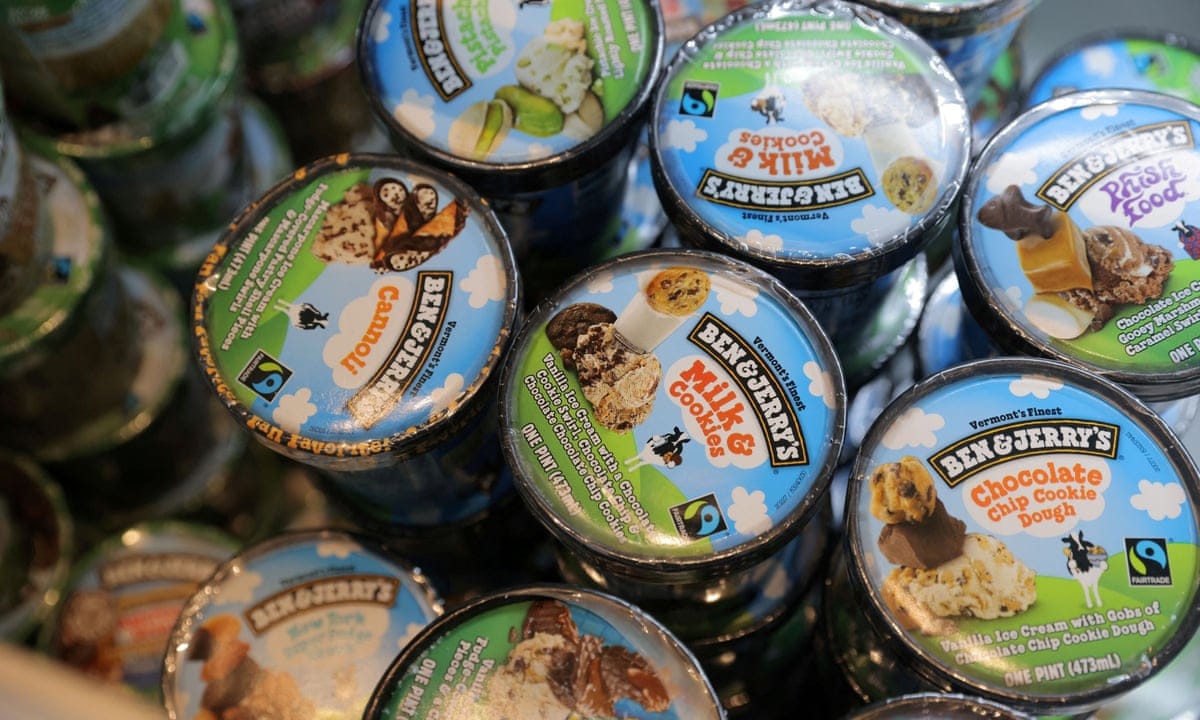
Unilever, renowned for popular brands such as Marmite, Dove, and Ben & Jerry's, has defended its decision to implement continued price increases despite reporting an impressive 17% increase in profits.
Stock prices of the London-based corporation experienced a surge of 6% early Thursday morning following Unilever's announcement that their profit margins had expanded by 2.5 points to reach 19.6% during the first half of this year, marking a substantial advancement beyond analyst projections. Prices for products also increased by an average rate of 1.6%.
Unilever's operating profit saw a remarkable growth of 17.1%, up from the previous period to June, reaching €6.1 billion (£5.14 billion), attributed in part to carry-over pricing resulting from periods with higher inflation rates and enhanced efficiency due to increased sales volume and premium brands.
Unilever's Chief Executive, Hein Schumacher, commented on the matter, stating that the company had not transferred all of the impacts of inflation onto consumers over the last year.
Despite these strong financial results, Unilever acknowledged a slowdown in the US beauty market and disappointing sales figures in Southeast Asia amid consumer boycotts associated with events related to Gaza. Additionally, ice-cream sales decreased by 1% due to unseasonable weather patterns across Europe and challenges within China's competitive market conditions. Unilever stated that it is on track to separate its ice-cream business, including well-known brands such as Magnum and Wall's Ice Cream, from the company by year's end.
These developments contrast with a challenging first half for rival Nestlé, which anticipated slower sales growth for the next six months than originally projected. Increased competition in various markets like China and price pressures elsewhere have contributed to this situation.
Analysts at Jefferies expressed concerns about declining pricing levels and brand strength amidst a climate of rising cost-of-living pressure, which encourages consumers to consider more affordable supermarket own-label alternatives. However, Unilever's Chief Executive reassured stakeholders by projecting profit margins at least 18% for the second half of the year, expecting prices across the grocery sector to continue increasing between 2% and 3% into the following year.
Fernando Fernandez, Unilever's Finance Director, highlighted that while wage inflation remains a notable factor impacting costs, not all additional expenses would be passed onto consumers as maintaining brand competitiveness is crucial to the company.
Read next
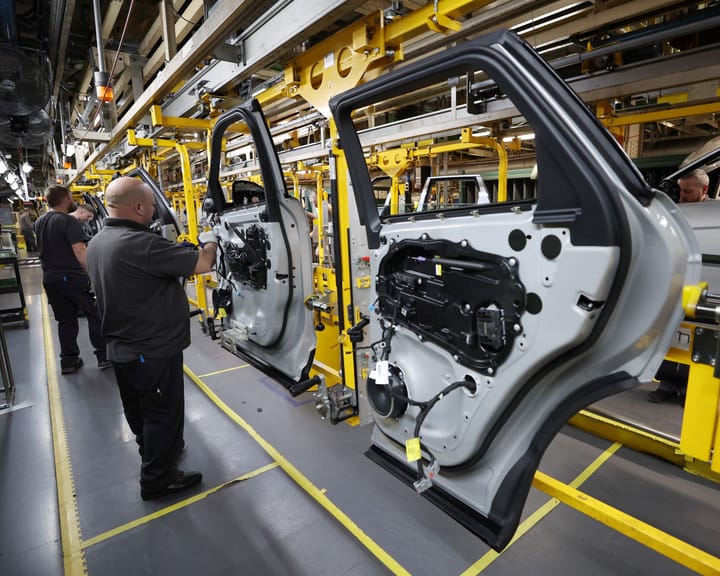
Jaguar Land Rover suppliers voice ‘everything is against us’ amid cutbacks
David Roberts, chair of Coventry-based Evtec, says the outlook for Britain’s automotive sector is grim, with “everything against us.” Evtec is a tier 1 supplier to Jaguar Land Rover, which this week announced 4,000 job cuts over two years despite chancellor John Healey’s attempt to talk
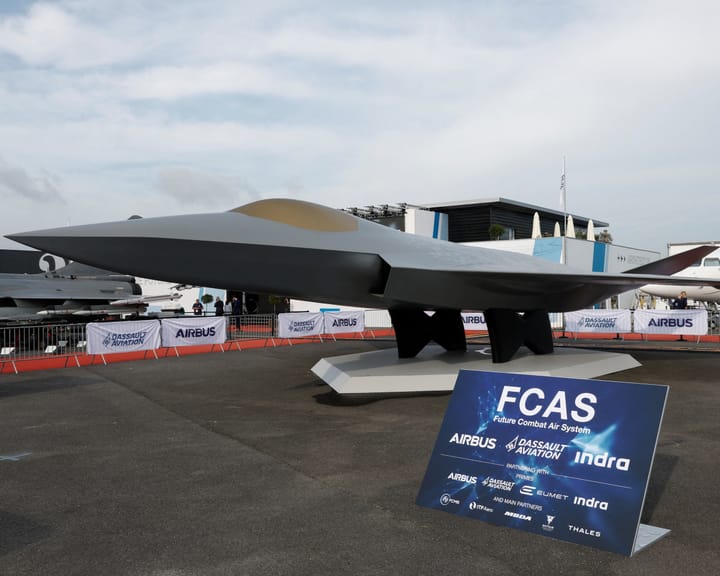
Europe’s fighter jet plans in disarray: what comes next?
When former ECB president and Italian PM Mario Draghi urged Europe to catch up economically with the US and China, defence collaboration was prescribed. No more should each nation build independent boats, tanks or jets; allies should share costs and technologies.
Europe stumbled at the first hurdle. German Chancellor Friedrich
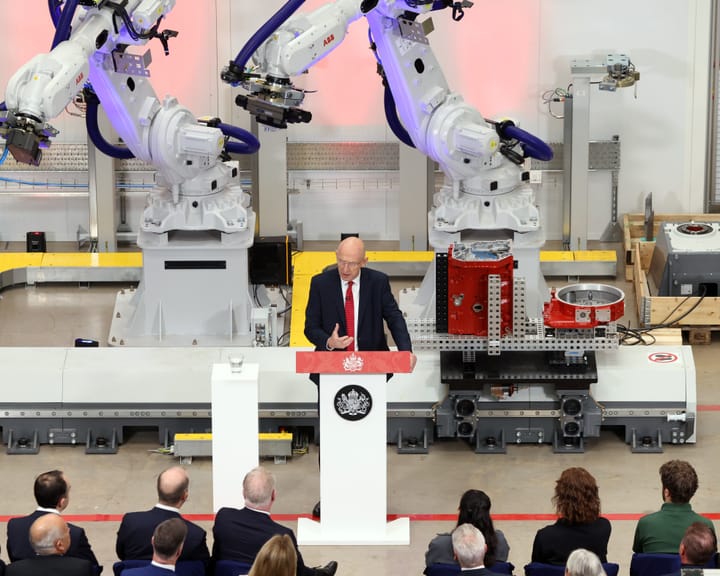
John Healey supports growth but insists Labour must be truthful about spending
John Healey has stated that his primary goal as chancellor will be to boost economic growth, while acknowledging that Labour must be straightforward about controlling public spending at next month's budget.
In his first major address since assuming the role in July, Healey said the leading focus of