

Wikipedia Approaches 25th Anniversary as a Beacon of Shared Knowledge
In January, Wikipedia will mark its 25th anniversary. The daughter of its co-founder, Jimmy Wales, will also turn 25 around the same time—no coincidence, as Wales once shared that her birth in December 2000 was shadowed by medical complications. His then-wife, Christine, had just given birth when it became clear their newborn was in critical condition due to meconium aspiration syndrome, a life-threatening respiratory issue. The hospital near their home in San Diego offered an experimental treatment. Facing a difficult decision, Wales needed reliable information fast.
At the time, Wales was in his mid-30s, a former trader who had turned to internet ventures. He had co-founded Bomis, a search engine aimed at a specific audience, but his passion lay in creating an encyclopedia. Bomis had funded Nupedia, an early online encyclopedia written by experts, yet its strict peer-review process had resulted in only 21 articles after a year, including entries on the "Donegal fiddle tradition" and "polymerase chain reaction."
Searching desperately for details about his daughter's condition, Wales found himself lost in a mix of untrustworthy personal accounts and dense medical research. “It was like sifting through the debris of a bombed-out library,” he later recalled. With little clarity available, they trusted the doctors and opted for the treatment. Their daughter, Kira, recovered, but the ordeal convinced Wales that Nupedia’s slow, expert-driven model was flawed. A new approach was needed.
What followed was Wikipedia, built on the idea that anyone could contribute. It quickly surpassed expectations—by 2002, the English version had 25,000 entries, reaching 1 million by 2006. Today, it hosts over 7 million articles in English alone, dwarfing traditional references like Encyclopedia Britannica’s digital edition, which has 100,000. Wikipedia also spans 18 other languages, each with over a million articles, from Arabic to Vietnamese. It has become a foundational part of the internet—some argue more essential than many daily routines.
Amid an online world often fractured by conflict and misinformation, Wikipedia stands apart: a massive collaborative project sustained by volunteers, united by an idealistic vision to provide “free access to the sum of all human knowledge.” It has faced challenges—like a notorious prank edit falsely linking a Robert F. Kennedy aide to assassinations—yet has upheld standards of neutrality and accuracy rivaling academic sources.
Wales’s forthcoming book, *The Seven Rules of Trust*, explores the principles behind Wikipedia’s success, offering insights into how open collaboration can build trust.
Read next
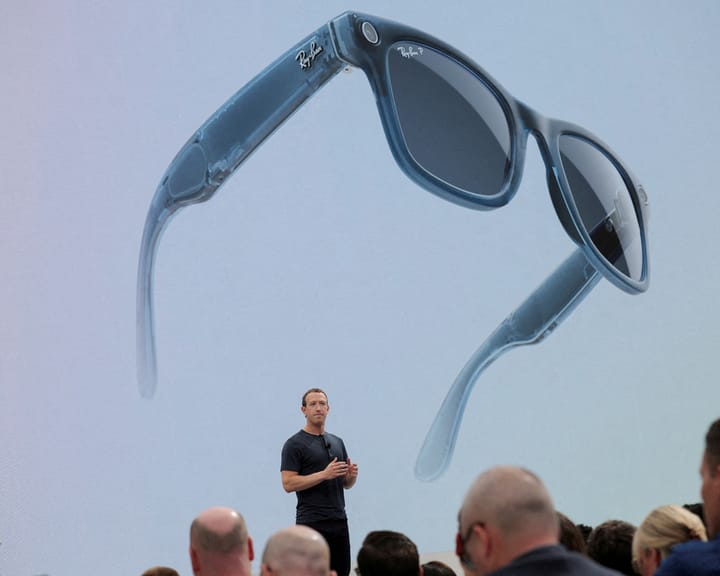
US officers worry Meta smart glasses could covertly record them
In January, the NYPD’s counterterrorism unit warned officers about a new security threat: Ray-Ban Meta glasses. A memo directed officers to “conduct thorough inspections of all eyewear permitted within inmate cells,” cautioning that recently arrested individuals could use the devices’ small cameras and microphones to record inside police
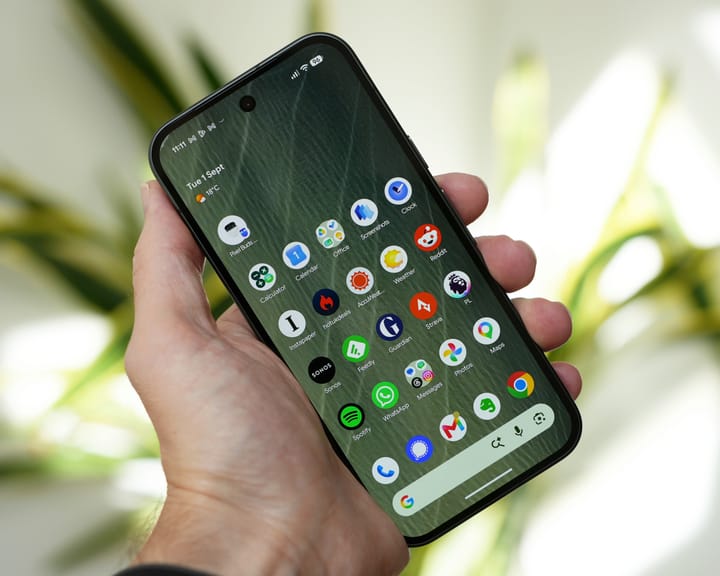
Google's Pixel 11 sets new standard for flagship phones, review finds
Google’s Pixel 11 continues to define what a base flagship phone should deliver, with leading cameras, extended software support and nearly all the features of its pricier siblings.
The standard Pixel 11 is priced at £879 (€999/$899/A$1,499), £80 higher than its previous version, reflecting ongoing
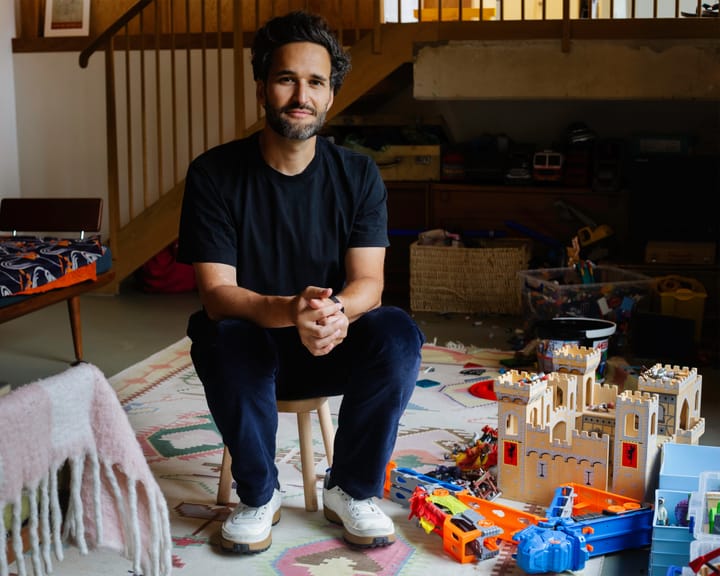
AI Expert Father of Three Shares Essential Insights for Parents on Artificial Intelligence
A father once promised his child they would write a story together called "The Day Nobody Went to Disneyland." The plot imagined a perfect day when the entire world avoided the park, expecting crowds, leaving it completely empty for a father and child to enjoy alone. Three decades