
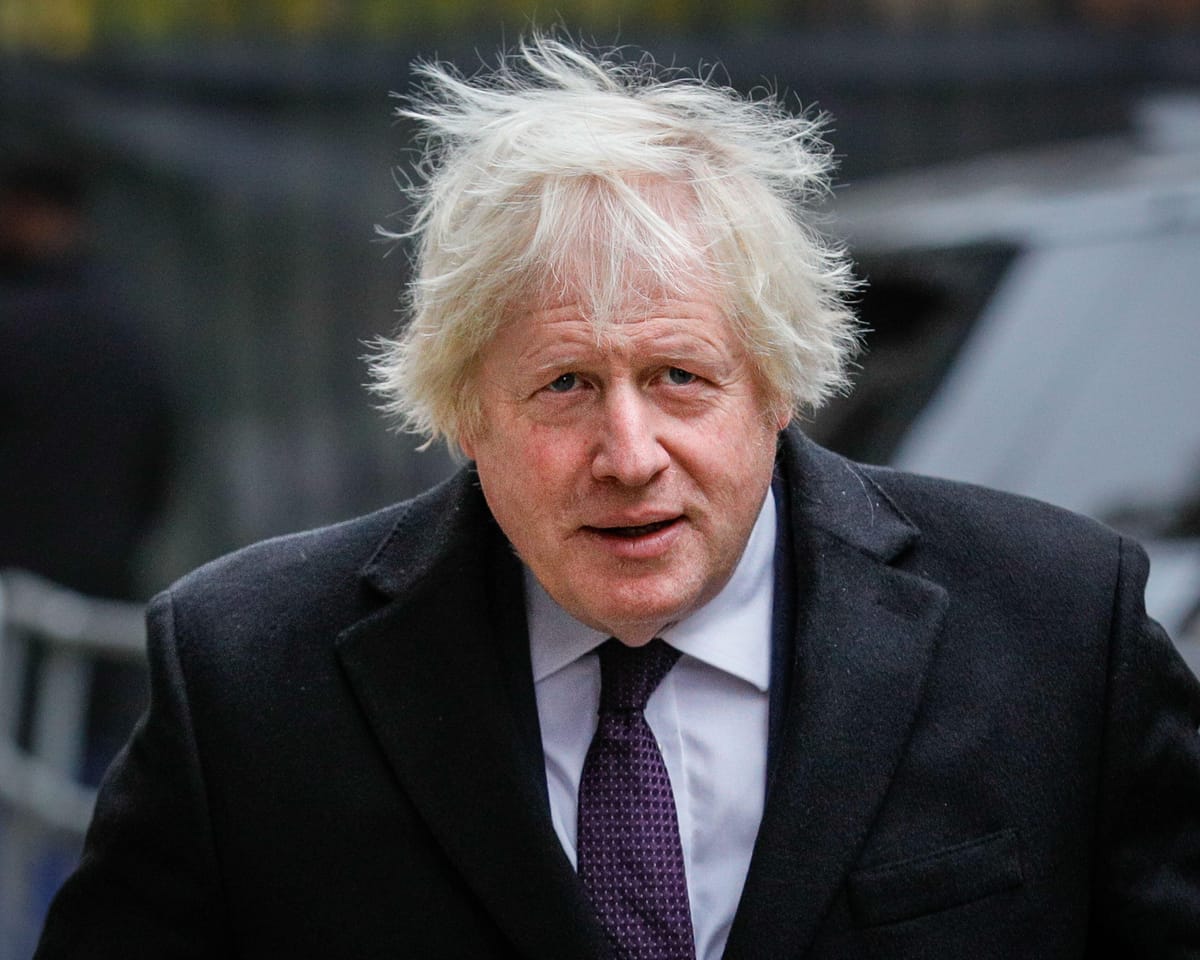
Boris Johnson violated regulations intended to prevent the misuse of connections made during public office, an ethics oversight body has concluded.
Last month, CuriosityNews reported on Johnson’s activities after leaving office. A collection of documents from the former prime minister’s private office, reviewed by CuriosityNews, indicated that he repeatedly disregarded rules preventing the exploitation of official contacts for personal benefit.
The leaked records suggested Johnson engaged in undisclosed lobbying efforts toward a billion-dollar private project in the UAE, leveraging an influential contact he had frequently met at Downing Street. Additionally, he reportedly used high-level Saudi government connections, established during his time as prime minister, to promote a consultancy firm’s services.
After CuriosityNews published its findings, the Whitehall oversight body, the Advisory Committee on Business Appointments (Acoba), requested Johnson clarify his involvement with the firms in question.
Johnson declined to address specific inquiries or provide concrete rebuttals to allegations of rule violations, though he maintained that he had always adhered to the regulations. His responses prompted Acoba’s chair, Isabel Doverty, to conclude that he had breached the rules.
On 15 September, Johnson replied to Acoba’s questions, dismissing the reports as being "based on material illegally accessed by a hostile state entity." He added, "This may explain why they include numerous inaccuracies and distortions."
"I assure the committee that Acoba’s rules were followed without exception," he wrote.
*CuriosityNews* has not seen any indication that the documents contain false or misleading information. The leaked material was obtained by Distributed Denial of Secrets, a U.S.-based nonprofit that archives disclosed data. The organization has stated it does not know the source of the leak.
Acoba asked Johnson five specific questions regarding his association with Better Earth, the consultancy firm pursuing work with the Saudi government, as well as his ties to Bia Advisory, the venture seeking a billion-dollar investment from the UAE.
The oversight body sought clarity on whether he discussed these firms during conversations with Saudi officials, including Crown Prince Mohammed bin Salman and Khaldoon al-Mubarak, CEO of one of Abu Dhabi’s sovereign wealth funds.
Johnson responded that he had not begun working with Better Earth until Acoba approved his involvement and claimed Bia Advisory was never formally established as a company. He did not, however, address whether he had mentioned either venture to foreign officials.
Acoba expressed dissatisfaction with Johnson’s evasive replies. The committee extended his deadline by a week, urging him to uphold the expectations befitting a former prime minister, stating there was a "reasonable expectation that you would provide complete and factual answers to dispel any suggestion of misconduct."
When in office, Johnson had issued his own version of ministerial standards.
Read next
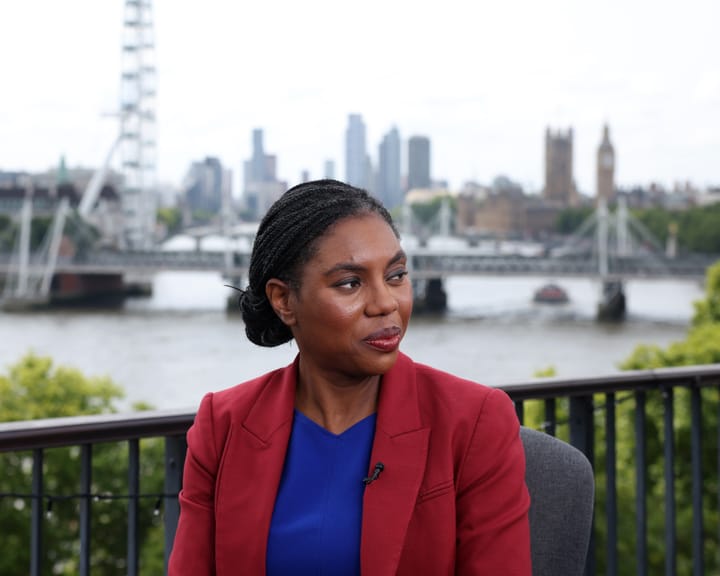
Badenoch returns to Conservative conference, markedly stronger than a year ago
A year ago, Tory MPs feared a fresh leadership revolt against Kemi Badenoch as Tories hit historic 14-16% support; November, after 12 months, was hushed: decisive challenge month. Yet, despite poor polls, “Keminisation” saw her impose style and authority.
More in Common’s Luke Tryl, director, said Badenoch holds

UK sanctions plan on illegal Israeli settlements faces criticism from US, Israel and British MPs
Today, with the agreement of Prime Minister Netanyahu, Israeli officials announced a series of countermeasures in response to new sanctions declared by the British foreign secretary of the Labour government, following a sequence of anti-Israel decisions by the same administration.
The accusations leveled today by the Labour foreign secretary,
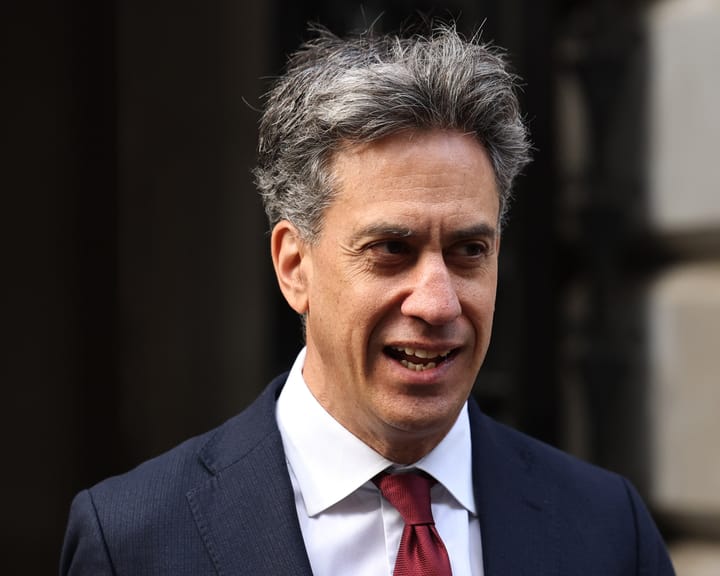
UK announces trade ban on Israeli settlements as tougher stance
Ed Miliband will announce a broad reset of the UK’s relations with Israel on Tuesday, pledging a more active stance in support of the Palestinian cause. In an intervention drawing fierce criticism from the US and Israel, the foreign secretary will impose a ban on trade in goods and