
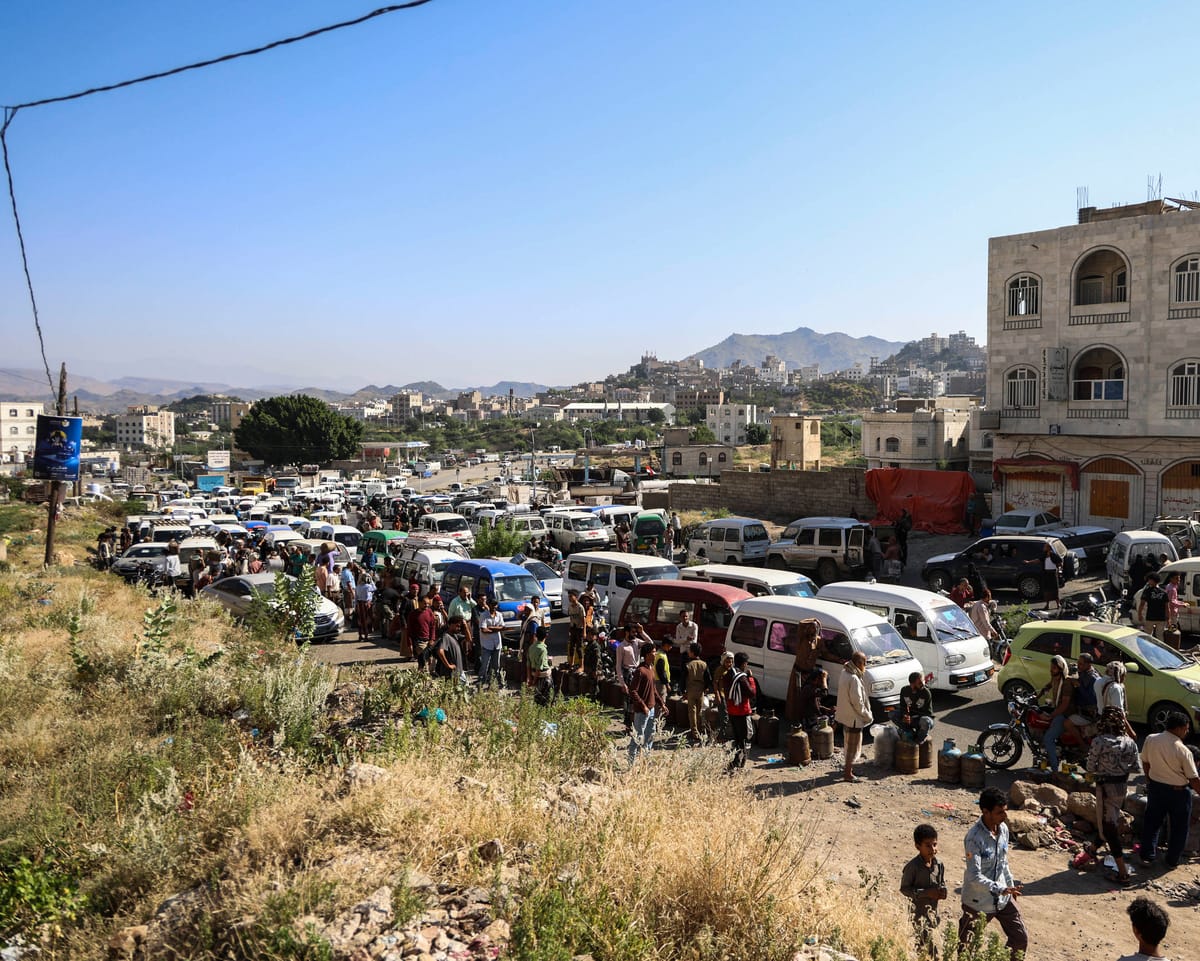
A recent Houthi ballistic missile attack on a Yemeni government forces training camp in Shabwa province resulted in at least 53 fatalities, marking the largest single loss of life since the civil war reignited in September. The attack on the al-Alam camp, which also injured over 200 individuals, mostly young recruits, was described as a disaster by Yemen's UN-recognized government. Injured personnel were transported to a hospital in Ataq, where urgent calls for blood donations were made.
An investigation has been announced to determine why so many troops were vulnerable to Houthi attacks. Since mid-September, the group has intensified its efforts against UN-recognized government forces, advancing along the Red Sea coast to potentially control the Bab al-Mandab waterway.
Accurate death toll estimates in recent months are challenging, with casualties numbering in the thousands. A Saudi airstrike last Sunday resulted in nine deaths, including five children and two women.
Rashad al-Alimi, president of the UN-recognized government, emphasized that the victims were new recruits and promised a strong response. He criticized the Houthi militias for targeting recruits as a cowardly tactic under pressure. Al-Alimi also requested the UN to designate the Houthis as a foreign terrorist organization.
The Shabwa provincial authority condemned the attack as a military escalation and a direct threat to regional security. Governor Awad bin Al-Wazir visited the wounded in hospitals.
The incident highlights the risks of concentrating troops within reach of Houthi missile capabilities, as evidenced by the strike on the training camp while recruits were in formation. Additionally, Houthi forces have severed the road between Shabwa and the Houthi-controlled Bayda governorate.
The Houthi military spokesperson claimed the attack targeted Saudi forces, resulting in significant casualties among Saudi officers and troops. The statement cautioned against responding to Saudi financial incentives to participate in military actions.
Fighting continues as Houthis attempt to besiege the city of Taiz, with residents urging for increased air protection. Southern forces have reportedly made advances against Houthi positions near the Bab al-Mandab.
There is uncertainty regarding whether the Houthis are reducing attacks on Saudi infrastructure due to strategic decisions or limited munitions. Last weekend, a Saudi Armaco headquarters was hit, and some airlines have delayed resuming flights at Riyadh airport, which reopened after recent attacks.
UN envoy for Yemen, Hans Grundberg, is scheduled to meet with ministers in London to discuss the situation.
Read next
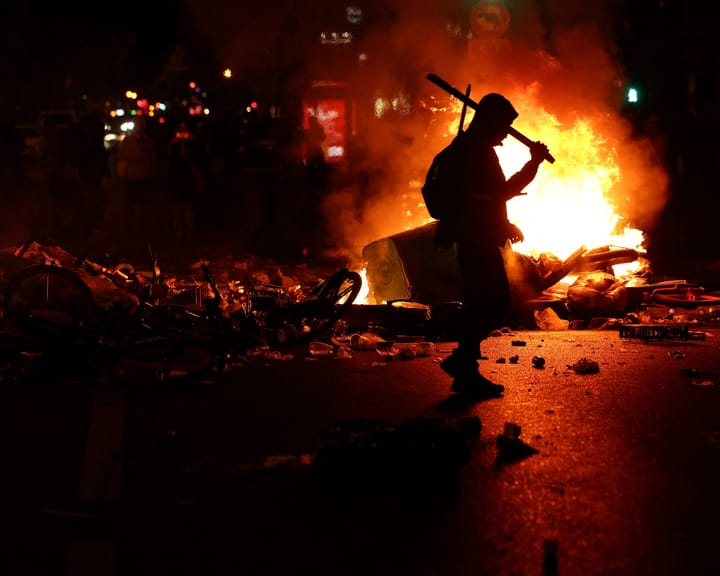
Interior Minister Admits French Police Lost Control Amid Riots
France’s Prime Minister has directed regional authorities to consider implementing partial curfews in certain cities following an admission by the government that police lost control during violent protests over the weekend. Sébastien Lecornu stated after an emergency cabinet meeting that he was determined to restore public order and suggested
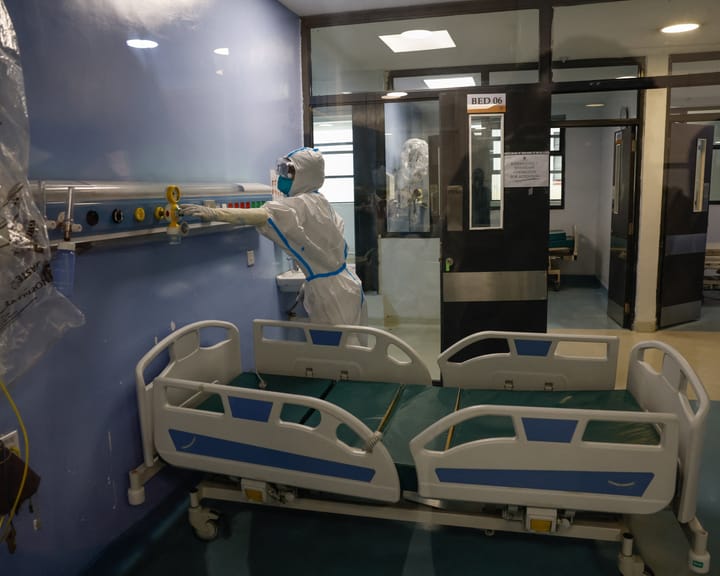
Kenya's Latest Ebola Case Exposes Gaps in U.S. Health Services Following Trump's Budget Cuts
In Kenya, a third individual has tested positive for Bundibugyo ebolavirus, marking the nation's first cluster of Ebola cases. This development occurs as the second-largest Ebola outbreak in history continues to impact the region, resulting in over 4,300 deaths and more than 9,000 infections.
The

France in Chaos as Looting Extends into Second Night: 'War Zone' Descriptions Abound
In the early hours of Monday, two motorbikes carrying passengers each stopped at a traffic light in a backstreet near Paris's bustling rue de Rivoli. One rider remarked to the other about targeting areas with high foot traffic and elaborate shop windows. Shortly thereafter, ten men wearing ski