
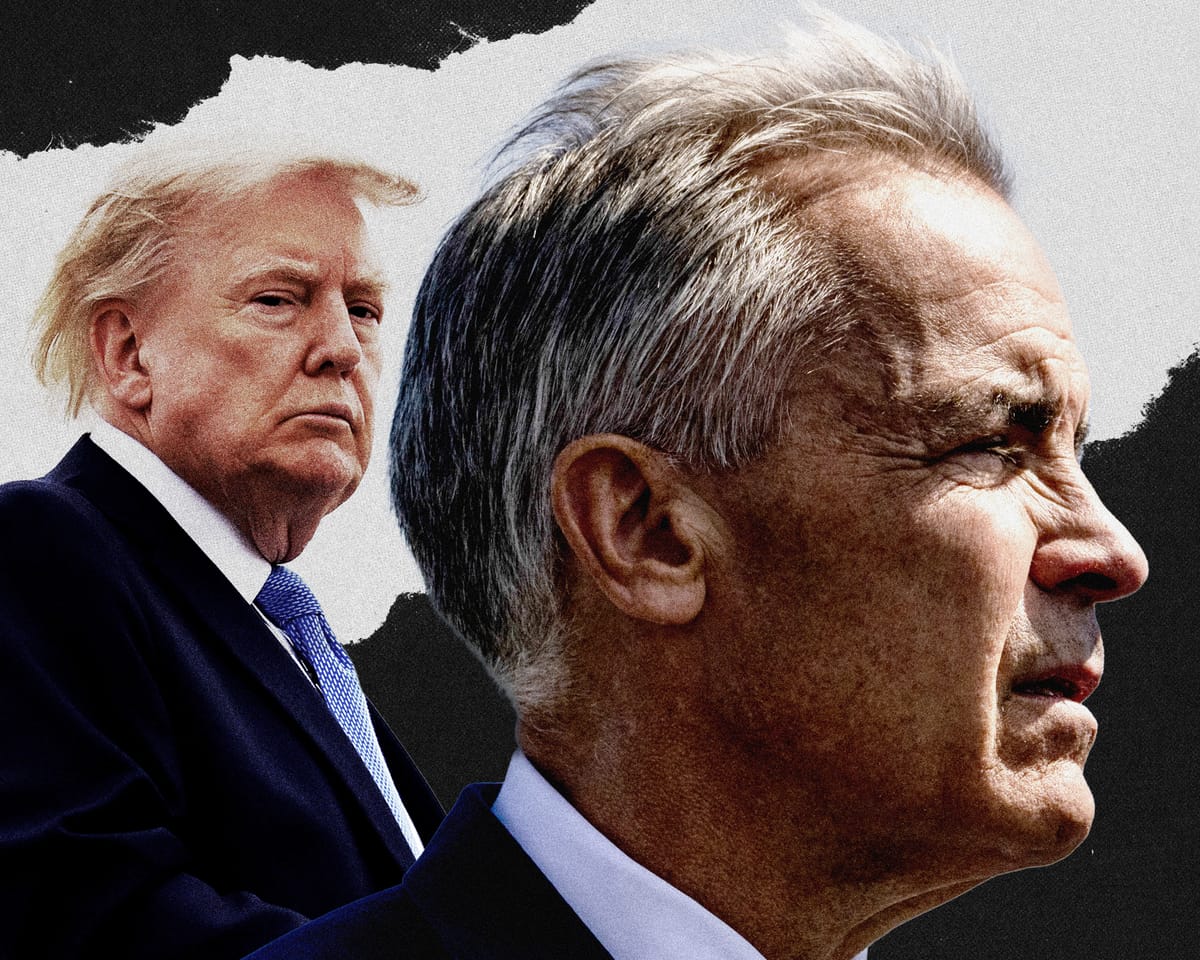
Mark Carney stood before a walnut‑veneered lectern, his expression tight, as he declared that negotiations with Canada’s largest trading partner had collapsed. “Last spring I warned that America is trying to break us so it can own us,” he said. “I promised that will never, ever happen. We are keeping that promise.”
For years the former central bank governor had worked to steady markets. Now he was urging Canadians to tolerate uncertainty and confrontation.
Near the close of the press conference last Saturday, a reporter noted the sombre, combative tone and asked: “Why does it feel like today Mark Carney is going to war?”
The prime minister paused.
“We were attacked. You are at war when you get attacked,” he replied. “We got attacked.”
The unexpected rise of an economist and central banker with no electoral background into a formidable global politician defied precedent and expectations. Yet Carney has embraced the role he said was required—a wartime leader confronting an erratic, vindictive adversary intent on subjugating Canada.
After trade talks with the United States fell apart, both sides exchanged accusations and fulfilled threats to impose fresh tariffs. In a further display of petty antagonism, President Trump signed an executive order on Thursday ordering the renaming of Lake Ontario to “Lake America.”
Choosing to walk away from the proposed agreement, Carney did what few leaders have done: he challenged Trump and the United States to test his nation’s resolve.
“We cannot accept what they have offered, and we will not give what they have asked,” he asserted.
“He was remarkably determined,” recalled a colleague who worked with Carney during his tenure as UN special envoy for climate action in 2021.
When urging banks to join climate pledges, Carney could be charming. “He was diplomatic with those he needed to influence,” another former associate noted.
It is no surprise to see Carney confronting Trump on the world stage. “It does not surprise me; his determination and refusal to back down explain it,” a former colleague said.
Carney was not always confident. When he was selected as governor of the Bank of England in 2013 by then‑chancellor George Osborne, his vigorous style did not mesh with the historic London institution. Upon arrival, the Bank still maintained pink‑uniformed, top‑hatted guards.
Read next
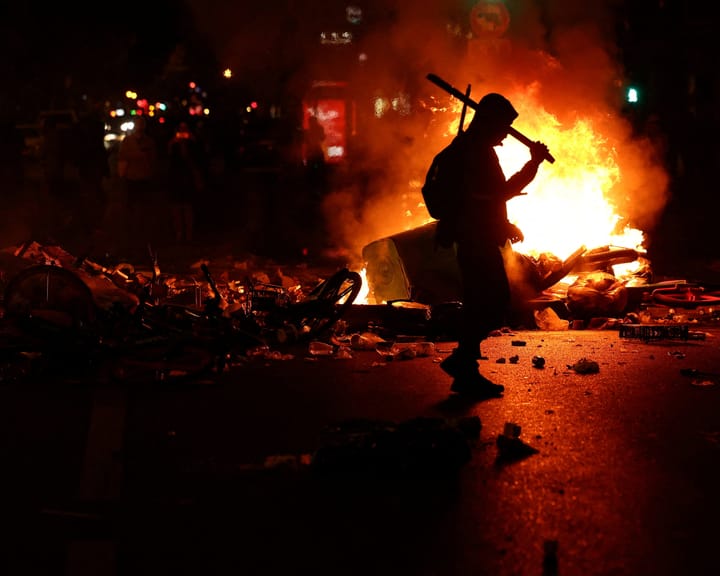
Interior Minister Admits French Police Lost Control Amid Riots
France’s Prime Minister has directed regional authorities to consider implementing partial curfews in certain cities following an admission by the government that police lost control during violent protests over the weekend. Sébastien Lecornu stated after an emergency cabinet meeting that he was determined to restore public order and suggested

Kenya's Latest Ebola Case Exposes Gaps in U.S. Health Services Following Trump's Budget Cuts
In Kenya, a third individual has tested positive for Bundibugyo ebolavirus, marking the nation's first cluster of Ebola cases. This development occurs as the second-largest Ebola outbreak in history continues to impact the region, resulting in over 4,300 deaths and more than 9,000 infections.
The

France in Chaos as Looting Extends into Second Night: 'War Zone' Descriptions Abound
In the early hours of Monday, two motorbikes carrying passengers each stopped at a traffic light in a backstreet near Paris's bustling rue de Rivoli. One rider remarked to the other about targeting areas with high foot traffic and elaborate shop windows. Shortly thereafter, ten men wearing ski